Start Your Corporate Tax Filing

Annual Corporate Tax Return Filing in Dubai
Annual Corporate Tax Return Filing in Dubai
Gupta Group International
2/26/20265 min read


Annual Corporate Tax Return Filing in Dubai
Annual Corporate Tax Return Filing in Dubai: The Ultimate Guide for Businesses in the UAE
In 2023, the United Arab Emirates introduced a federal Corporate Tax regime, representing a transformative shift in the country’s business tax framework. For the first time, corporations across Dubai and the wider UAE are required to comply with an annual corporate tax return filing process that must be understood, planned for, and submitted correctly. As a business owner or finance professional operating in Dubai, mastering this process is crucial — not only to remain compliant but also to optimize your tax position and protect your company’s growth prospects.
In this comprehensive guide, we’ll walk you through everything you need to know about annual corporate tax return filing in Dubai — from eligibility and registration to deadlines, documentation, common pitfalls, and expert filing tips. Whether you’re a startup, an SME, a free zone entity, or part of a multinational group, this article serves as your authoritative resource on corporate tax compliance in Dubai.
Understanding Corporate Tax in the UAE
Corporate tax in the UAE is a federal tax applied to the net profits of businesses and commercial activities. Dubai, as part of the UAE federation, has aligned its corporate tax framework with federal regulations to support economic diversification while remaining globally competitive.
🔎 Who Must File
All companies conducting business in the UAE — including:
Mainland entities
Free zone companies (subject to qualifying criteria)
Branch offices of foreign companies
Professional service providers
Even if a company reports zero taxable income, filing a corporate tax return may still be required to maintain regulatory compliance.
Corporate Tax Rate
Standard rate: 9% on taxable profits exceeding AED 375,000
0% rate applies for:
Qualifying Free Zone Entities subject to meeting specific conditions
Certain businesses within designated sectors under special regimes
The Importance of Annual Corporate Tax Returns
Annual corporate tax return filing isn’t just a statutory obligation — it’s an integral part of your business’s financial integrity and credibility.
Here’s why it matters:
✅ Legal Compliance
Failure to file or late submission can result in penalties, fines, and in extreme cases, suspension of commercial licenses.
✅ Financial Transparency
Tax returns provide stakeholders with verified financial data, which is essential for investment decisions, audits, and financing.
✅ Audit Readiness
Accurate returns act as supporting documentation during corporate audits or regulatory checks.
✅ Streamlined Tax Planning
A properly filed return enables better forecasting, optimized tax liability, and strategic financial planning.
Who Is Liable to File a Corporate Tax Return in Dubai?
Corporate tax liability depends on the nature and activities of your business. The following entities are generally required to file annual corporate tax returns:
📌 Mainland Companies
Operating in Dubai outside of Free Zones or Special Economic Zones.
📌 Free Zone Entities
Eligible for 0% tax only if they meet regulatory requirements — such as economic substance criteria and compliance with transfer pricing rules.
📌 Branch Offices
Foreign company branches must report UAE-sourced income.
📌 Professional and Consultancy Firms
Regardless of size, if they operate commercially in the UAE.
📌 Joint Ventures and LLCs
Limited Liability Companies and partnerships conducting economic activities.
Important: Entities with no taxable income or business activity may still be required to file nil returns.
Key Deadlines for Corporate Tax Return Filing
Dubai’s Ministry of Finance (MoF) sets strict deadlines that must be followed:
📅 Tax Year
Default: January 1 – December 31
Alternative financial year allowed upon approval
📅 Filing Deadline
Typically within 9 months after the end of the financial period
Example: For a December 31 year end, filing is due by September 30 of the following year
Missing deadlines can trigger:
Late filing penalties
Administrative fines
Withholding of refunds
Step-by-Step Guide to Filing Your Corporate Tax Return
Filing your annual corporate tax return requires careful preparation. Below is a systematic approach to ensure your business remains compliant:
Step 1: Register with the Tax Authority
If not already registered, ensure your company is registered with the UAE Corporate Tax Authority through the official portal.
Step 2: Maintain Accurate Financial Records
Maintain detailed records of:
Revenue and income statements
Expenses and payable items
Balance sheets
Supporting invoices and receipts
Dubai’s tax system relies heavily on real underlying financial data — so good bookkeeping is non-negotiable.
Step 3: Calculate Taxable Profits
This includes:
Revenues
Less deductible expenses
Add back non-allowable items (if any)
Include adjustments for transfer pricing and permanent establishment
Step 4: Prepare Supporting Documentation
Prepare attachments such as:
Audited financial statements (where applicable)
Notes to accounts
Transfer pricing documentation
Free zone compliance certificates
Step 5: File Electronically
File returns through the UAE Federal Tax Authority online portal — typically in XML format — with secure login.
Step 6: Make Tax Payments
Once filed and processed, settle any due tax within the prescribed timeframe to avoid interest and penalties.
Required Documents for Tax Return Filing
To ensure a smooth filing process, businesses must prepare the following:
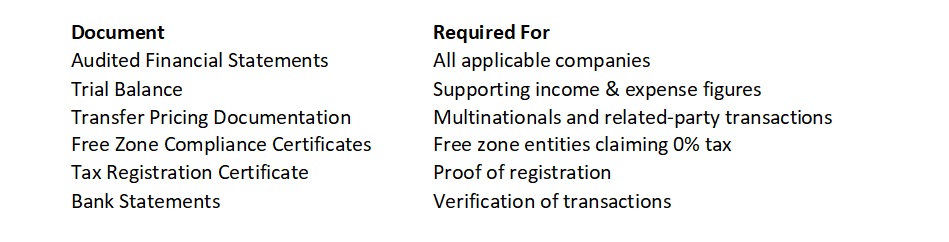
Common Mistakes to Avoid When Filing
Even experienced finance teams can slip up. Here are common pitfalls to avoid:
❌ Late Filing
Delays result in fines and compliance setbacks.
❌ Incorrect Financial Data
Unreconciled books often lead to mismatches in tax calculations.
❌ Missing Supporting Documentation
Lack of evidence often triggers queries or audits.
❌ Incorrect Classification of Expenses
Certain expenses may not be allowable for tax deduction — ensure correct categorization.
❌ Ignoring Transfer Pricing Rules
Inter-company transactions may require special reporting and justification.
Understanding Free Zone Corporate Tax Treatment
Free zones in the UAE are traditionally known for tax incentives. However, with federal corporate tax now in place:
🟢 0% Corporate Tax
Free zone entities may benefit if they:
Meet economic substance requirements
Have sufficient operations within the UAE
Maintain local staff and infrastructure
Comply with transfer pricing documentation
🔁 Critical Compliance Requirements
Failure to meet conditions could result in:
Loss of preferential tax rate
Full tax liability at standard rates
This makes expert filing support crucial for free zone companies.
The Role of Transfer Pricing in Corporate Tax Filing
Transfer Pricing (TP) applies to transactions between related parties, such as:
Parent company and subsidiaries
Companies under common ownership
Company and shareholder
UAE’s tax framework requires:
Documentation showing arm’s-length pricing
Evidence of pricing methodologies
TP policy statements
Non-compliance may lead to adjustments and additional taxes.
Penalties and Compliance Enforcement
The UAE Federal Tax Authority enforces penalties to uphold compliance:
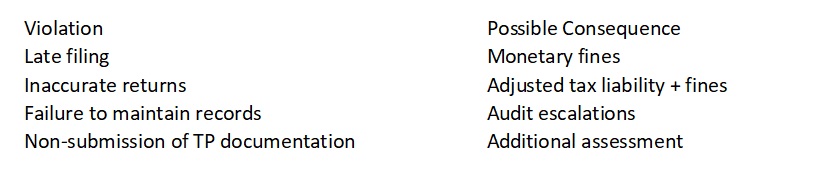
Timely and accurate filing reduces exposure to risk and protects your business’s reputation.
Tax Advisory Support: Why It Matters
Navigating corporate tax filing in Dubai presents challenges:
Complex rules
Documentation requirements
Dynamic compliance standards
Engaging professional tax advisory ensures:
Correct interpretation of rules
Optimal tax planning strategies
Litigation and dispute support
Efficient filing and documentation
At uae-corporatetaxfiling.com, expert consultants help businesses across Dubai file returns with precision and confidence.
Case Study: How Proper Filing Saved Taxes for a Dubai Company
Consider Company X, a technology firm in Dubai — revenue of AED 50 million.
Before Advisory
No transfer pricing documentation
Poor bookkeeping
Unclear free zone compliance status
After Engaging Experts
Financial records re-organized
Transfer pricing records prepared
Tax return filed within deadline
Eligible deductions applied
Outcome
AED 1.2 million tax liability reduced
Avoided penalties for late filing
Improved financial reporting systems
This highlights the value of professional guidance in corporate tax filing.
Conclusion: Securing Your Corporate Tax Compliance in Dubai
The introduction of annual corporate tax filing in Dubai marks a significant evolution in the UAE’s tax landscape. For businesses operating within this dynamic economic environment, proactive planning, accurate calculation, and timely submission are not optional but essential practices.
From maintaining precise financial records to understanding free zone eligibility, transfer pricing obligations, and penalty avoidance strategies — effective tax return management supports:
Regulatory compliance
Financial stability
Strategic decision-making
Long-term growth
If you’re seeking clear guidance and trusted support in filing your Annual Corporate Tax Return in Dubai, our professionals at uae-corporatetaxfiling.com are here to help. With tailored solutions and expert insights, we ensure your business navigates the tax filing process with confidence and peace of mind.
Services
Corporate Tax Registration • Corporate Tax Return Filing • Corporate Tax Advisory • Corporate Tax Planning & Structuring • Corporate Tax Compliance Review • Corporate Tax Assessment Support • Corporate Tax Audit Assistance • Corporate Tax Reconsideration Support • Corporate Tax Deregistration • Corporate Tax Documentation & Record-Keeping Support • Transfer Pricing Compliance • Tax Residency Certificate Assistance
Service Coverage Across UAE Free Zones
DMCC • JAFZA • DAFZA • DIFC • DSO • MEYDAN • SAIF ZONE
Our services are available across the UAE
Dubai • Abu Dhabi • Sharjah • Ajman • Ras Al Khaimah • Fujairah • Umm Al Quwain
Contact Us
📞 +971 4 396 7982
✉ info@guptagroupinternational.com
Useful Links
Corporate Tax Overview | Corporate Tax Registration | Corporate Tax Return Filing | Corporate Tax Deadlines & Penalties | Corporate Tax Rates in UAE | Corporate Tax for Free Zone Companies | Corporate Tax Compliance Requirements | Transfer Pricing | Resources | Careers | Contact
Legal
Privacy Policy | Cookie Policy | Terms of Use | Disclaimer
© 2001–2026 Gupta Group International